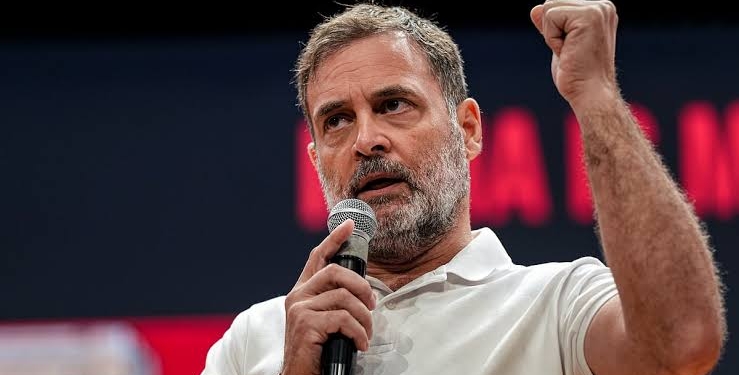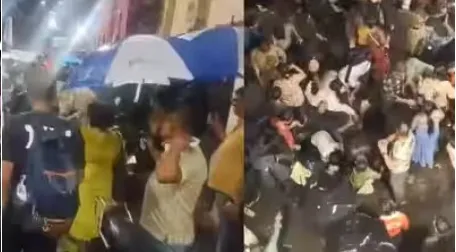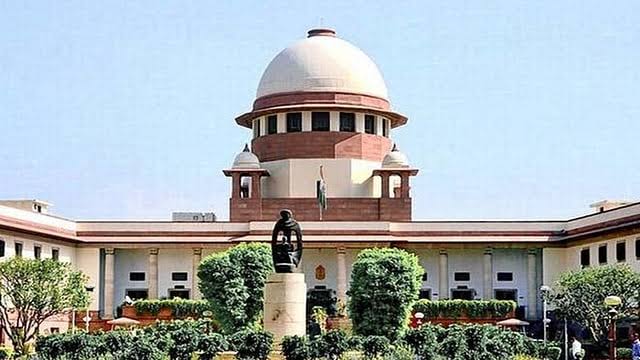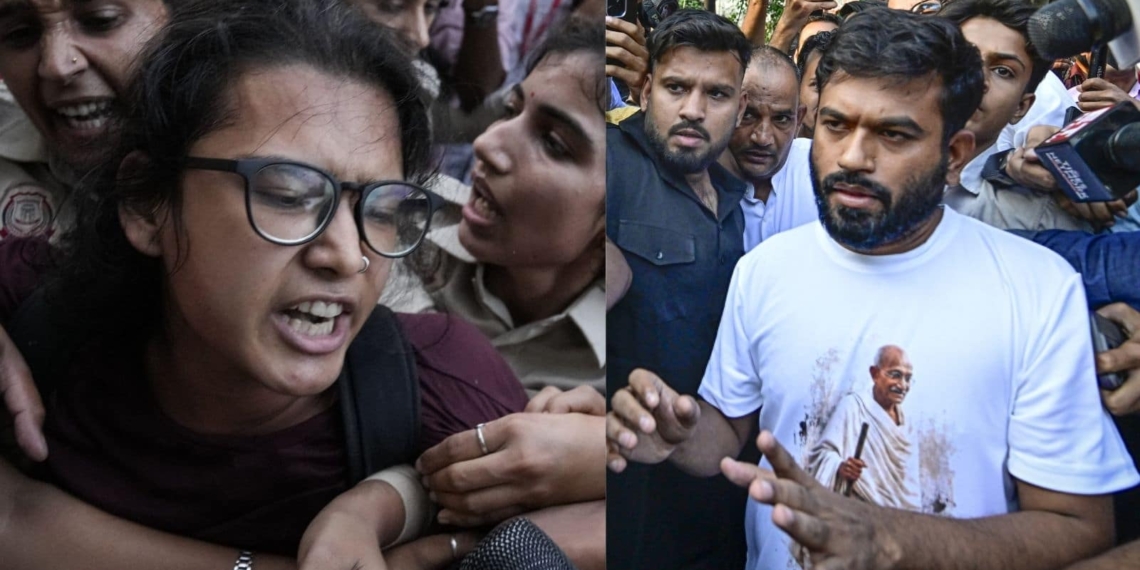


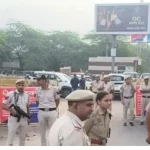
Rahul Gandhi’s recent political activity on the streets of Delhi reflects a noticeable shift in how the Congress leader approaches public protests — with greater emphasis on timing, coordination, visuals and sustained political messaging.From demonstrations over student protests in July to the Opposition’s campaign against Chief Election Commissioner Gyanesh Kumar in October, Rahul Gandhi has increasingly taken his political battles beyond Parliament and into the streets.The protests have often begun after lunch, continued through the afternoon and extended into the evening, giving Congress and its INDIA bloc partners a wider window to communicate their demands through television, digital platforms and social media.A protest strategy beyond Parliament.Rahul Gandhi’s recent street politics has followed a pattern that combines Opposition mobilisation with direct confrontation over political issues.In July, he joined Priyanka Gandhi Vadra and other Opposition leaders in a protest outside Prime Minister Narendra Modi’s residence over alleged police action against protesting students.He later staged a prolonged sit-in at the Parliament Street police station, demanding registration of an FIR over alleged pellet injuries suffered by student protester Sahil Lochab.By October, the Congress had shifted its focus to the Election Commission.Rahul Gandhi led INDIA bloc MPs in a march towards the Election Commission headquarters on October 6, demanding the resignation of CEC Gyanesh Kumar over alleged irregularities in the Special Intensive Revision of electoral rolls.The march was stopped by police barricades, after which Rahul and other leaders staged a sit-in.Why afternoon protests are becoming important.The timing of these demonstrations has drawn attention from political observers.Senior journalist Rasheed Kidwai told India Today Digital that timing can play an important role in determining how a political protest enters the news cycle.An afternoon demonstration allows political parties to mobilise supporters during the morning and then take their message into television’s evening news cycle.It also creates a steady stream of photographs, videos, speeches and political reactions that can circulate on digital platforms.Journalist Neerja Chowdhury, however, cautioned against treating television as the sole objective. Younger audiences increasingly consume political content through social media, where short videos and images can continue circulating long after a demonstration ends.The power of political visuals.The Congress strategy is not only about when Rahul Gandhi appears. It is also about how the protest is presented.His recent demonstrations have produced several highly visual moments, including interactions with police, prolonged sit-ins and confrontations with barricades.Such moments can quickly become social media content, allowing a protest that lasts a few hours to remain part of the political conversation for much longer.The approach also gives the Congress an opportunity to frame individual incidents within a broader political campaign.A more coordinated Opposition.Another feature of Rahul Gandhi’s recent political activity has been greater coordination with INDIA bloc parties.Before major demonstrations, Opposition leaders have met over meals or informal discussions in and around Connaught Place.These meetings have served both political and organisational purposes, allowing leaders to discuss common demands and coordinate participation.The public visibility of these meetings has also become part of the wider political narrative, particularly when leaders subsequently move together towards a protest venue.From Gyanesh Kumar protests to the Supreme Court.The campaign against CEC Gyanesh Kumar has provided the latest stage for this approach.After the October 6 march towards the Election Commission, Opposition leaders held further demonstrations and meetings in Delhi.On October 12, Rahul Gandhi joined an INDIA bloc march towards the Supreme Court. The Opposition sought judicial intervention over its concerns regarding the SIR exercise and the functioning of the Election Commission.The legal route marked another phase of the campaign, moving the dispute from street protests into the courts.The Opposition’s allegations against the Election Commission remain contested and have not been established as fact.Planning happens before the cameras arrive.The public protest is only one part of the operation.According to the India Today report, Rahul Gandhi’s day can involve discussions with Priyanka Gandhi Vadra, meetings with a dedicated team and consultations with senior Congress leaders.When an INDIA bloc programme is planned, Rahul is also reported to personally contact alliance partners.Congress correspondent Rahul Gautam told India Today Digital that a dedicated team handles Rahul Gandhi’s programmes, with significant attention given to planning and presentation.That suggests a more structured approach to organising political events, particularly those involving large groups of Opposition leaders and workers.The limits of the protest strategy.High visibility, however, does not automatically translate into wider political support.Large crowds and dramatic visuals can increase media attention, but they do not by themselves demonstrate whether voters agree with the Opposition’s allegations or whether the Congress can convert protest momentum into electoral gains.That remains the larger challenge for Rahul Gandhi.The Congress must use the attention generated by street politics to build a sustained political campaign and maintain coordination with its Opposition partners.A new political rhythm.Rahul Gandhi’s recent activities suggest that street protests are becoming a more prominent part of his political communication.The emerging format is familiar: morning planning, Opposition coordination, afternoon mobilisation, a public confrontation or sit-in and an extended evening news cycle.The strategy gives the Congress repeated opportunities to put its issues before the public.Whether this new rhythm becomes a long-term political formula will depend not just on the visibility of the protests, but on whether the party can turn that visibility into sustained public engagement and political momentum.
Rahul Gandhi’s Street Politics Gets a New Rhythm as Congress Targets Delhi’s Protest Space