






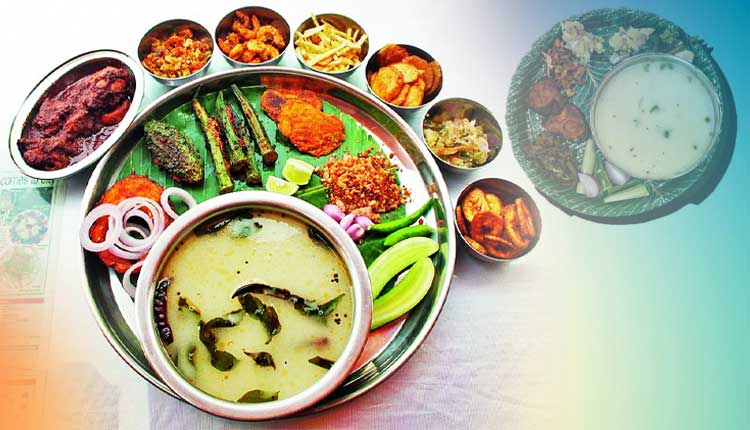
Among the many delicious and nutritious dishes of Odisha, Pakhala Bhata stands as a testament to the simplicity and wisdom of local food traditions. A dish made from rice soaked in water and allowed to ferment overnight, Pakhala Bhata is both a nourishing meal and a remedy for the heat of the scorching Odia summers. Served with a variety of sides such as fried fish, chutneys, and yogurt, it offers a delightful combination of flavours and textures.The true beauty of Pakhala lies in its fermentation. This natural process enhances the rice’s nutrients and adds a probiotic element to the dish, improving digestion and promoting gut health. It is known to be cooling, hydrating, and gentle on the stomach, making it ideal for hot climates.In a state like odisha where temperatures can soar during the summer months, Pakhala Bhata is more than just a meal, it is an ancient practice for staying healthy and comfortable.Fermented rice, like Pakhala, is particularly effective for gut health, helping to alleviate acidity, constipation, and even heatstroke. Today, it is no longer seen as a humble dish, even Bollywood celebrities enjoy it for its scientific benefits, including its probiotic properties and positive impact on gut health,” says Moharathi.Beyond its health benefits, Pakhala Bhata holds significant cultural and spiritual value in Odisha, particularly in the sacred town of Puri. At the famous Jagannath Temple, Pakhala Bhata is offered as prasad (sacred offering) to Lord Jagannath. This dish is an integral part of the temple’s food offerings, known as Mahaprasad, which is prepared and served to devotees. Every year on March 20, Pakhala Dibasa is a day to celebrate the traditional cuisine of Odisha.“Pakhala Bhata has been a part of our roots for centuries, although it was once considered ‘food for the poor.’ However, its true value is now widely recognised, especially for its health benefits. Traditionally, rice was soaked overnight and consumed the next day, allowing it to ferment. This process not only aids digestion by providing beneficial probiotics but also helps keep the body hydrated, which is essential in Odisha’s hot, tropical climate, where temperatures can reach 50°C,” he adds.Pakhala Bhata is a versatile dish with multiple variations, each offering a unique way to enjoy it. Moharathi highlights diverse variations of Pakhala, some of which include Soja Pakhala, where freshly boiled rice is washed and served with room temperature water. This version is quicker and does not undergo fermentation. Another common variation is Basi Pakhala, where the rice is soaked overnight until the water begins to bubble. This fermented rice is often consumed as a cooling drink, especially in the hot climate of Odisha.In addition to these, there are several other regional variations of Pakhala that include different sides and flavourings. For example, some versions are served with yogurt for added creaminess and tang. Others feature grated ginger, cumin, or even sohi, a kind of local lemon juice, for a fresh, zesty twist. Some variations also include jaggery, grated coconut, and seasonal fruits, adding sweetness and texture to the dish.Pakhala can also be enjoyed as a dessert, such as in Mitha Pakhala, where it is served with jaggery, grated coconut, and fruits, giving it a sweet,festive feel. Additionally, certain versions of Pakhala incorporate flavours from jasmine flowers or even hibiscus, which are known for their refreshing properties and are often used in teas.Across different regions of Odisha, these variations reflect the local preferences and available ingredients, with each version offering a distinct experience. However, the most popular and widely enjoyed variation remains Basi Pakhala which has been a staple in Odia cuisine for centuries.