





Bhubaneswar: Aluminium is best described as the metal of the future – powering new, exciting applications that have the potential to transform our planet. But to be sure, it has also established it self as the metal building our present. From building the aeroplanes that connect entire continents to encasing the solar cells that are quietly powering our homes, aluminium is embedded in the very fabric of modern life.At the core of this technological progress lies the aluminium billet: a product that is foundational to our ability to build, innovate, and evolve.
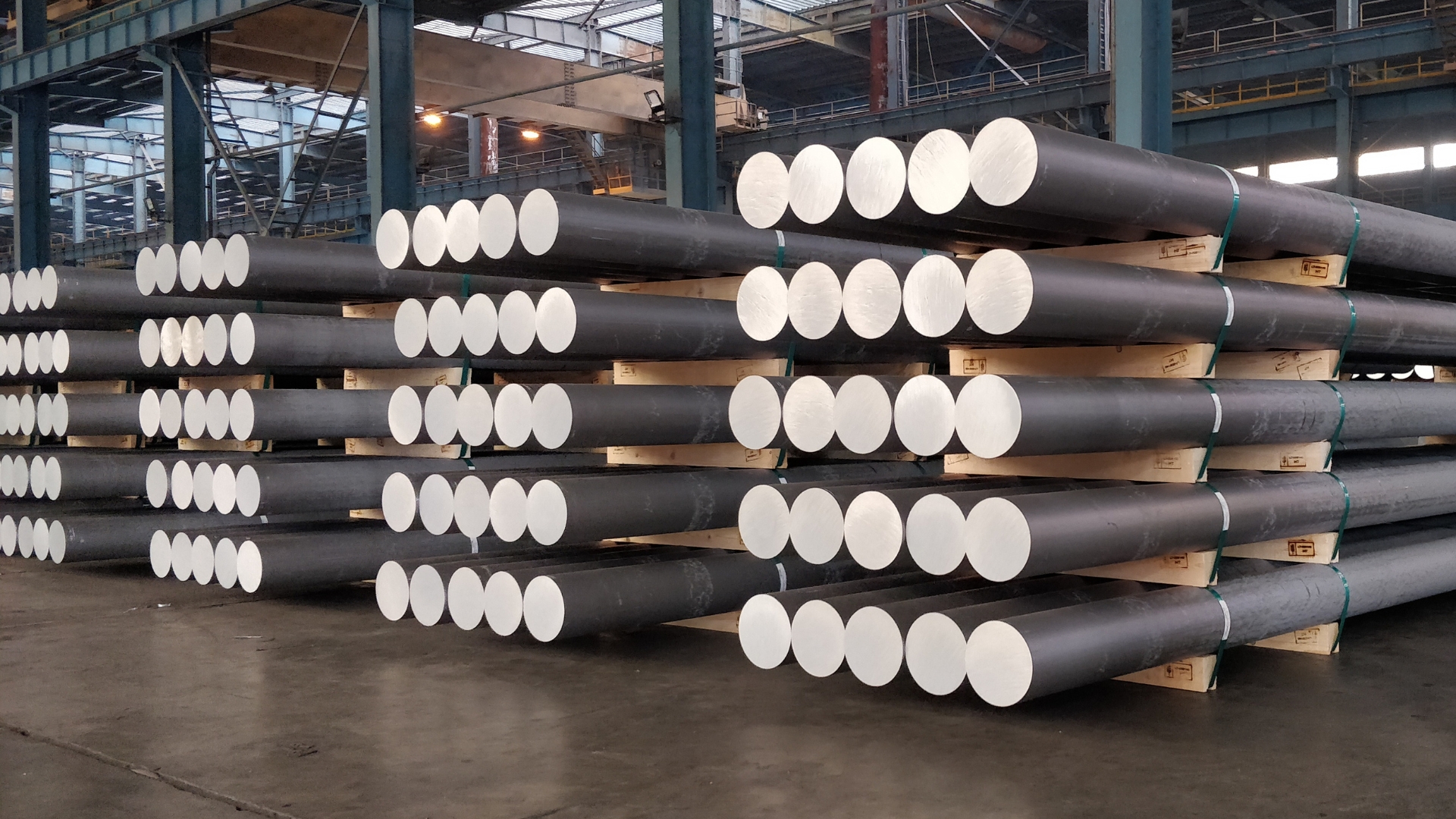
Long, cylindrical and silver-coloured, billets may appear simple at first sight, but their production is anything but that. Advanced casting technologies now allow for precise control over billet purity, grain structure, and surface finish. These are then homogenized and tested to meet the stringent and complex requirements of industries like aerospace, automotive, construction, and renewable energy. The end result: a product that is not only reliable but also versatile, serving as the backbone of high-performance applications across diverse sectors, said Vijay Murthy,Chief Marketing Officer,Vedanta Aluminium.
WhatmakesIndia’sbilletstoryespeciallycompellingistheconvergenceofscale,quality,and innovation. Once seen primarily as a raw material supplier, the nation is now emerging as a global force in value-added aluminium products, a shift evident in the rising domestic production of billets, which are increasingly being recognized not just for their utility, but for their strategic importance in enabling industrial growth and technological advancement.
Vedanta Aluminium, India’s largest producer of aluminium, is leading the way in this regard, with world-class manufacturing facilities that combine cutting-edge technology with rigorous quality assurance and environmental stewardship. Its operations are certified to global standards, including the rigorous Aluminium Stewardship Initiative’s Performance Standards for sustainable operations, BIS certification for quality, and meeting ISO benchmarks for quality management, environmental management, and energy efficiency. These credentials are indicators of a commitment to responsible manufacturing alongside global competitiveness.
But the continued success of India’s aluminium industry requires a supportive ecosystem – one that includes greater policy incentives for domestic value addition, infrastructure investments to streamline logistics, and increased partnerships to drive innovation in alloy development nextrusion technologies.Expanding Productiontomeet Domestic Needs Must also be matched by definitive efforts to strengthen downstream capabilities to unlock new areas of applications.
The conversation on domestic aluminium, therefore, needs go beyond mere products and processes. It must focus on building a resilient, future-ready aluminium ecosystem – one that empowers domestic players to compete globally,innovate locally,and contribute meaningfully to national priorities like infrastructure development, clean energy, and sustainable mobility.
Aluminium billets are quietly but surely shaping the systems that define our lives. By supporting domestic producers and fostering collaboration across the value chain, India can ensure that its aluminium industry is not just reactive to global trends but proactive in setting them. Inthis regard, India’s aluminium billets are not just shaping products, they are shaping possibilities.