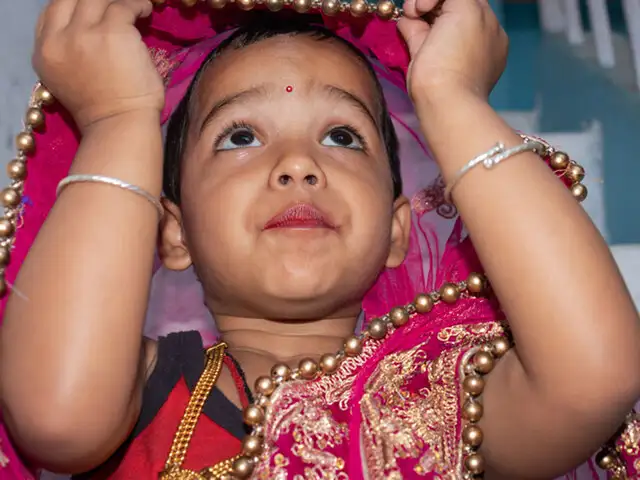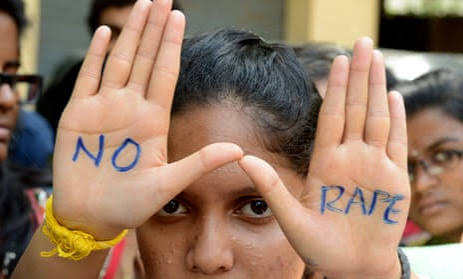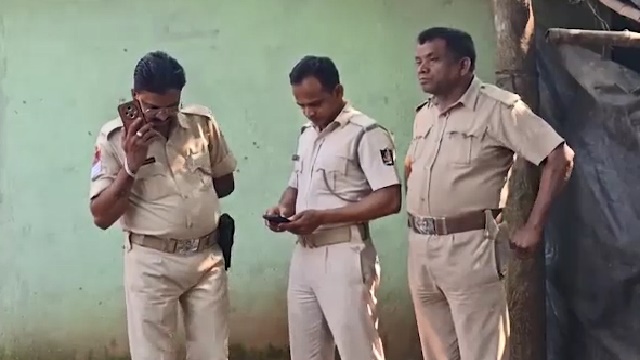





Despite awareness campaigns, laws, and administrative measures, child marriage continues in Nabarangpur district, leaving a direct impact on adolescent girls’ health and future.Government data shows that in the past three years, 4,241 minors became pregnant, underscoring the scale of the problem.While the number of teenage pregnancies has declined—from 1,790 in 2023 to 833 in 2025‑26—the issue remains far from controlled. Blocks such as Kosagumuda, Umerkote, Papadahandi, Raighar, and Jharigaon have reported hundreds of minor pregnancies.Officials warn that early motherhood is driving malnutrition, anaemia, and health complications among girls, with newborns also suffering from weakness and nutrition‑related problems.On the enforcement front, the district administration claims to have prevented 1,901 child marriages since 2020, but social customs, early love marriages, and migration‑linked exploitation continue to fuel the crisis.Responsibility for prevention has recently expanded beyond ICDS officials to include school principals, wardens, matrons, and police, tasked with tracking vulnerable children and reporting cases. Yet, lack of grassroots awareness and weak coordination among departments remain major hurdles.Experts stress that ending child marriage requires coordinated efforts by families, schools, society, and administration to safeguard adolescent girls’ futures.
Child Marriage Persists in Nabarangpur; 4,241 Minors Pregnant in Three Years