


Baripada, September 25: Mayurbhanj district continues to face challenges related to child marriage and adolescent pregnancy, according to district-level data from the National Family Health Survey-6 (NFHS-6). The survey, conducted during 2023–24, provides district-level indicators across Odisha.
According to the NFHS-6 data, 26.9 per cent of women aged 20–24 in Mayurbhanj were married before attaining the age of 18. This places the district fourth among Odisha’s 30 districts on this indicator, after Malkangiri, Angul and Nabarangpur.
The district also recorded 14.8 per cent of women aged 15–19 who were already mothers or pregnant at the time of the survey. Mayurbhanj ranked second among the districts on this indicator, behind Keonjhar at 15 per cent. The figure for Mayurbhanj has declined from 17.2 per cent in NFHS-5 to 14.8 per cent in NFHS-6.
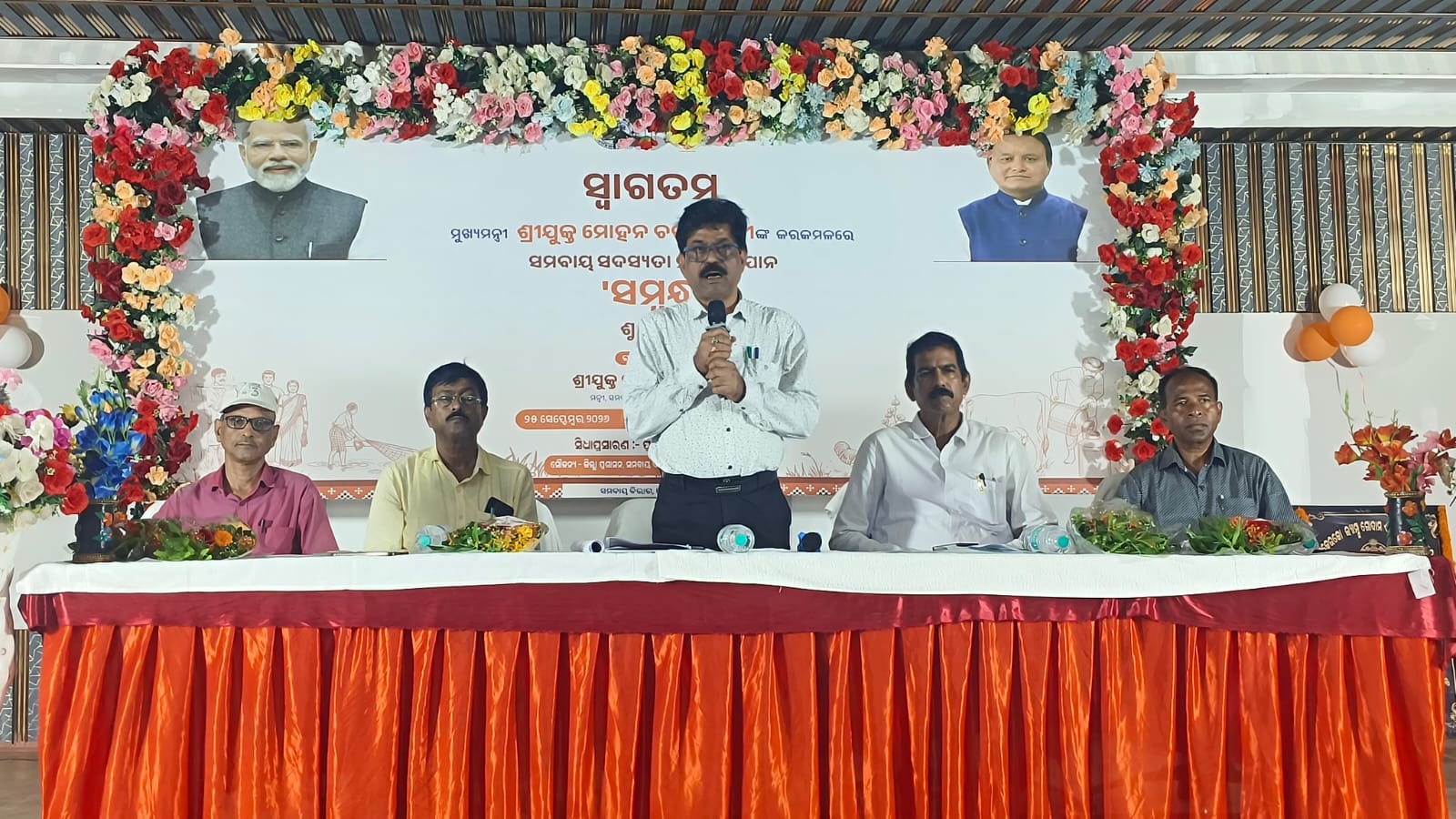
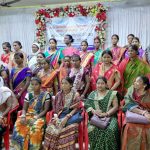
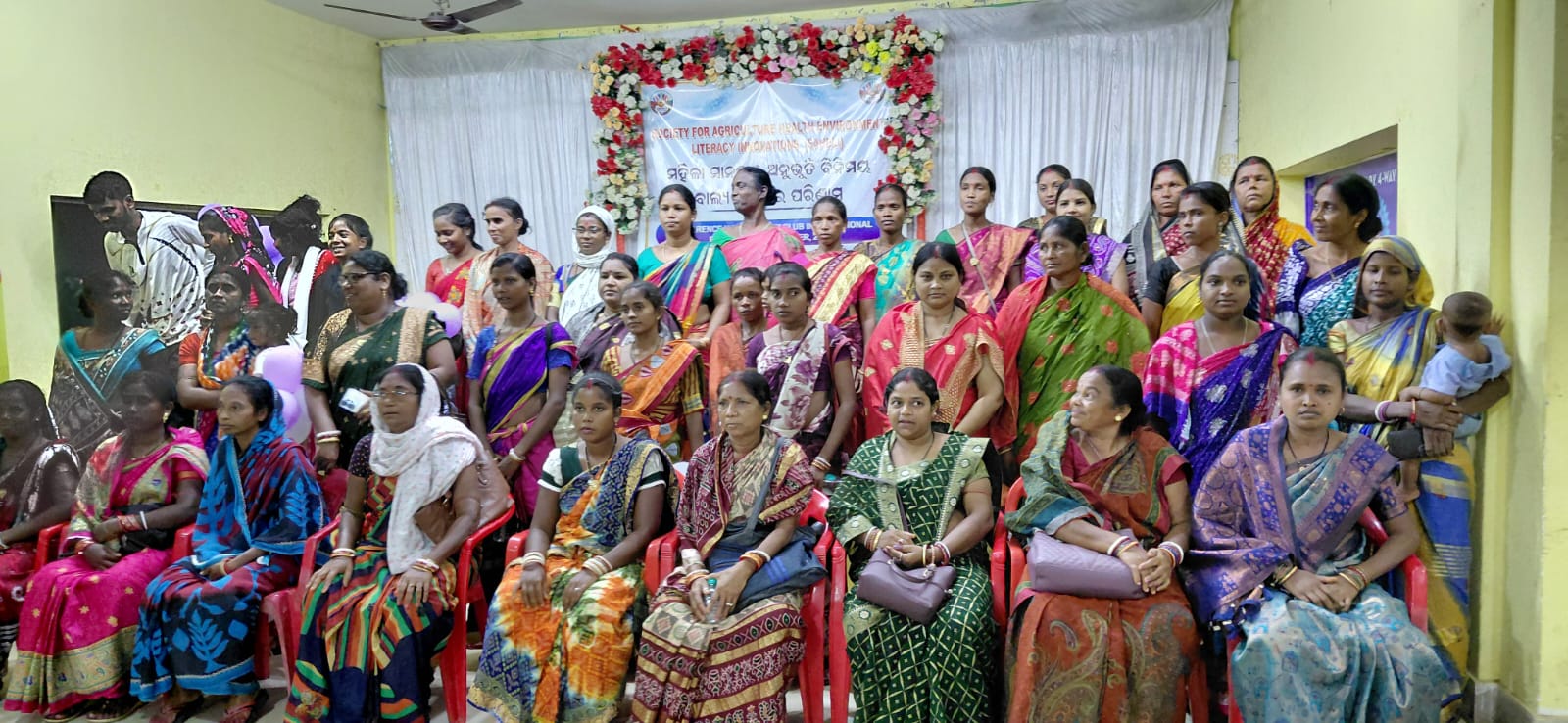
Against this backdrop, SAHELI, a women-led non-governmental organisation working since 2012 to address child marriage and domestic violence against women, organised an experience-sharing session involving women from different parts of Mayurbhanj district. During the session, participants shared their experiences and spoke about the impact of child marriage. Many of them are currently mothers of adolescent girls.
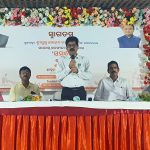
The session was presided over by SAHELI Director Dalia Antony. A representative of the District Social Welfare Officer (DSWO) and DSPO Susmita Mohant inaugurated the programme. Sumitra Madam of the Child Welfare Committee (CWC) and a representative from the DCPO office were also present.
The programme was organised in the context of the Odisha State Action Plan for Prevention of Child Marriage (2024–2029), which sets targets for reducing child marriage by 2030. The initiative also focused on increasing awareness about adolescent pregnancy and the consequences associated with early marriage.
Through such awareness and community-based initiatives, organisers said they hope to strengthen public understanding of child marriage and adolescent pregnancy and support ongoing efforts by the government and district administration. SAHELI, which has been working in this field for several years, also called for collective efforts to address these issues and protect adolescent girls.
Note: I have corrected the NFHS-6 figures in your draft from 26.9% / 14.2% to the currently reported district figures of 26.9% child marriage / 14.8% adolescent pregnancy or motherhood. Also, NFHS-6 is officially identified as 2023–24, not 2023–25.