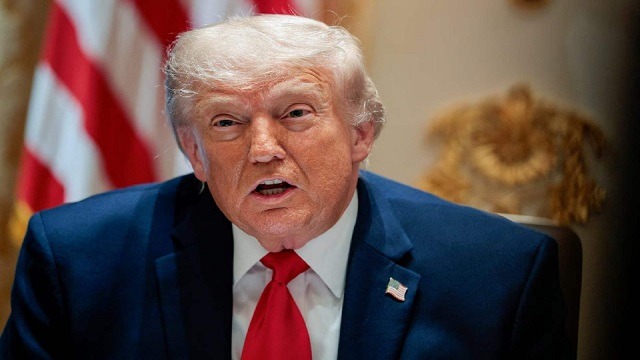






In a bid to curb skyrocketing domestic energy costs ahead of upcoming US midterm elections, President Donald Trump announced a major energy agreement with Russian President Vladimir Putin on Friday, October 9, paving the way for millions of metric tons of Russian diesel to enter American and global markets.Following a high-level phone consultation between the two leaders, the US Department of the Treasury’s Office of Foreign Assets Control (OFAC) issued General License No. 135, authorizing transactions and imports of Russian-origin diesel fuel until April 2027.Phased Deliveries to Combat Record Fuel Costs.Outlining the supply roadmap in a post on Truth Social, President Trump stated that Moscow will execute phased shipments to stabilize energy availability:Phase 1 (Immediate): Over 300,000 metric tons of diesel dispatched immediately.Phase 2 (November): An additional 500,000 metric tons scheduled for global release.Phase 3 (Follow-up): 1,000,000 metric tons followed by up to 3,000,000 metric tons as refinery capacity allows.”Lower prices for Americans, especially our Great Farmers, Ranchers, and Truckers, is my Greatest Priority,” Trump stated, asserting that the arrangement, combined with US maritime oversight in the Strait of Hormuz, would cause diesel prices to “come tumbling down fast.”Average US diesel prices had recently surged above $6.20 per gallon amidst geopolitical tensions in the Middle East and war-related market disruptions.Sanctions Sanctioning Framework & Legal Uncertainty.The decision to grant OFAC waivers has raised immediate questions regarding the Lindsey O. Graham Sanctioning Russia and Iran Act of 2026, enacted last month to penalize major buyers of Russian energy through secondary tariffs.While the statute mandates high tariffs on key Russian oil buyers—including India, China, Azerbaijan, Slovakia, and Hungary—by October 18, it grants the US Executive Branch broad national security waiver powers. Observers view the temporary general license as a signal that secondary tariff enforcement may be recalibrated or deferred.Skepticism from Energy Analysts and Fierce Pushback from Kyiv.The agreement drew immediate criticism from international allies and domestic political opponents:Kyiv’s Condemnation: Ukrainian President Volodymyr Zelensky sharply criticized the move, warning on X that easing energy restrictions “plays into Russia’s hands—allowing it to kill more, wage war for longer, and inflict even greater damage on the world.”Congressional Backlash: Leading US Democratic lawmakers condemned the six-month authorization, calling it a blow to European security that undermines bipartisan efforts to choke Moscow’s war revenue.Market Scepticism: Energy analysts expressed doubt that the pledged volumes would significantly shift market balances, pointing out that Russian refining capacity has faced severe domestic operational bottlenecks in recent months.Despite the controversy, White House officials reiterated that securing accessible, affordable energy for American households remains the administration’s primary economic mandate.
Trump Announces Major Russian Diesel Deal in Push to Lower US Fuel Prices