






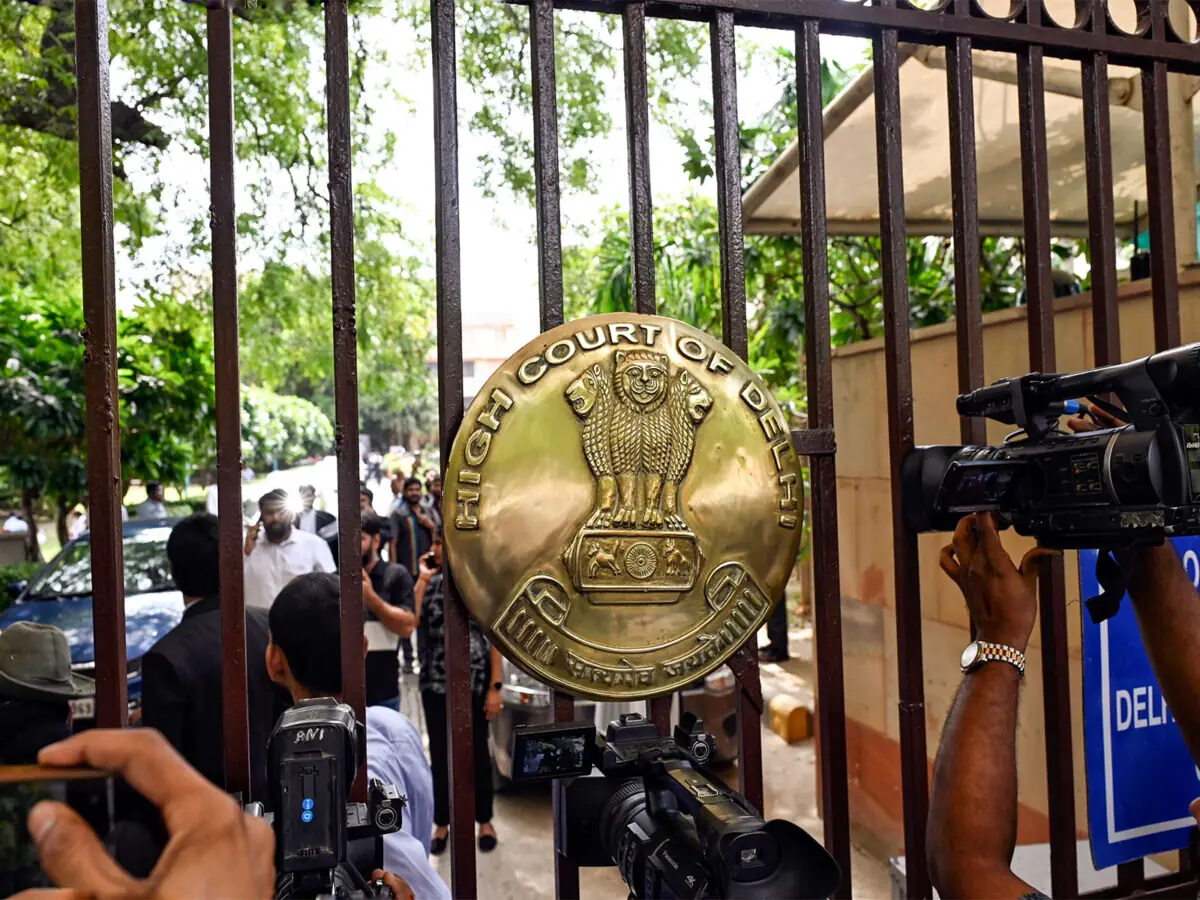
The Delhi High Court has ruled that an appeal under Section 21 of the National Investigation Agency (NIA) Act is maintainable against an order by a Special Court under Section 25(6) of the Unlawful Activities (Prevention) Act (UAPA) confirming the seizure or attachment of property allegedly linked to proceeds of terrorism.A bench comprising Justices Navin Chawla and Ravinder Dudeja observed that an order under Section 25(6) of the UAPA is not interlocutory but finally adjudicates the rights of the concerned party regarding the seizure or attachment of property.The court noted that Section 21 of the NIA Act provides a statutory right of appeal against any judgment, sentence, or order of a Special Court, except interlocutory orders. Since an order under Section 25(6) conclusively decides the issue of seizure or attachment, it falls within the scope of appeal under Section 21.The observations were made while hearing an appeal by Aquil Ahmed against a September 2024 order of the Special Judge at Patiala House Courts. The lower court had dismissed Ahmed’s appeal against an order of the Designated Authority under Section 25(3) of the UAPA confirming the attachment of property located at Ashraf Nagar, Kondhwa, Pune.The NIA raised a preliminary objection challenging the maintainability of the appeal, arguing that Chapter V of the UAPA forms a complete code for seizure, attachment, and forfeiture of proceeds of terrorism. It contended that Section 25(6) allows an appeal only to the Special Court against the Designated Authority’s order and that permitting an appeal under Section 21 of the NIA Act would effectively create a second appeal. The NIA also contended that an order under Section 25(6) is interlocutory and thus not challengeable under Section 21 of the NIA Act.The High Court rejected this objection, highlighting that the UAPA distinguishes between attachment and forfeiture of property. The bench stated, “Simple attachment of the property does not automatically lead to its forfeiture,” noting that a separate show-cause notice is required under Section 27 before forfeiture can be ordered under Section 26.The court held that attachment under Section 25 and forfeiture under Section 26 represent “two different distinct stages” of proceedings. Appeals related to these stages involve separate final orders.The bench further stated there was no reason to believe that the High Court, when addressing a later appeal concerning forfeiture, would disregard its earlier order on attachment.
The court reviewed prior decisions, including a coordinate bench ruling in Nasreen Mohsin Choudhary v. National Investigation Agency, which had prima facie accepted the maintainability of an appeal under Section 25(6).
It also noted that in Asiya Andrabi v. National Investigation Agency, the court had declined to entertain such an appeal, but emphasised this was due to the specific facts and not a ruling on maintainability.
The bench cited a 2025 judgment of the Jharkhand High Court in Amit Agarwal v. Union of India, where the issue was also considered.
The Delhi High Court emphasised that Section 25 of the UAPA provides a process for seizure or attachment of properties suspected as proceeds of terrorism, allowing the affected party to make representations and obtain adjudication by the Designated Authority and the Special Court. The court noted the consequence of attachment differs from forfeiture, which follows under Section 26 after compliance with procedural requirements in Section 27.
“Section 25(6) of the UAPA is final and not ‘interlocutory’ in nature,” the bench held, adding that it conclusively determines the seizure or attachment of property.
Consequently, the court declared the appeal maintainable and dismissed the NIA’s preliminary objection. It directed that the appeal be listed for final hearing on December 2, 2026.
The order was issued on September 15, 2026, in the appeal filed by Aquil Ahmed under Section 28 of the UAPA read with Section 21 of the NIA Act.