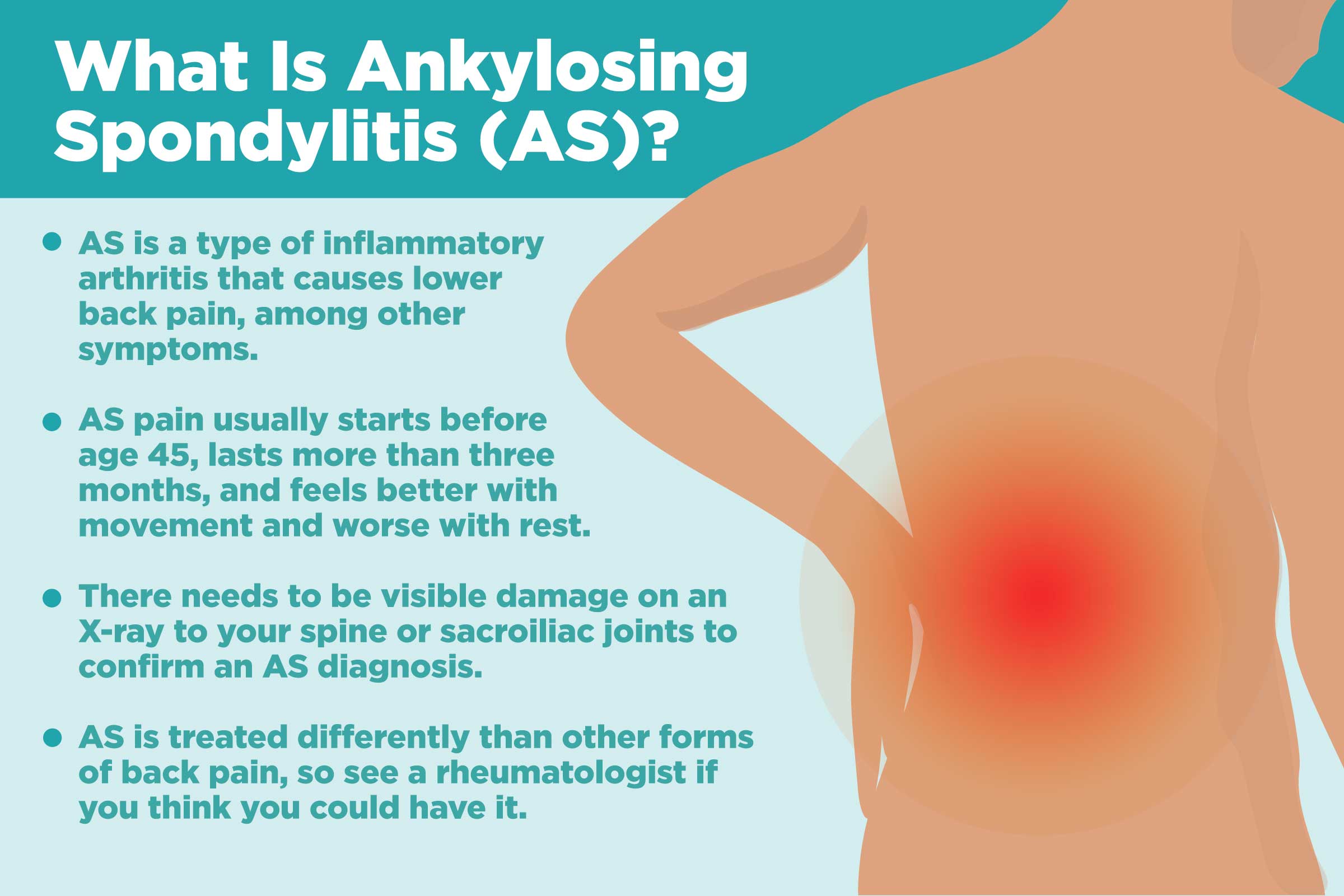






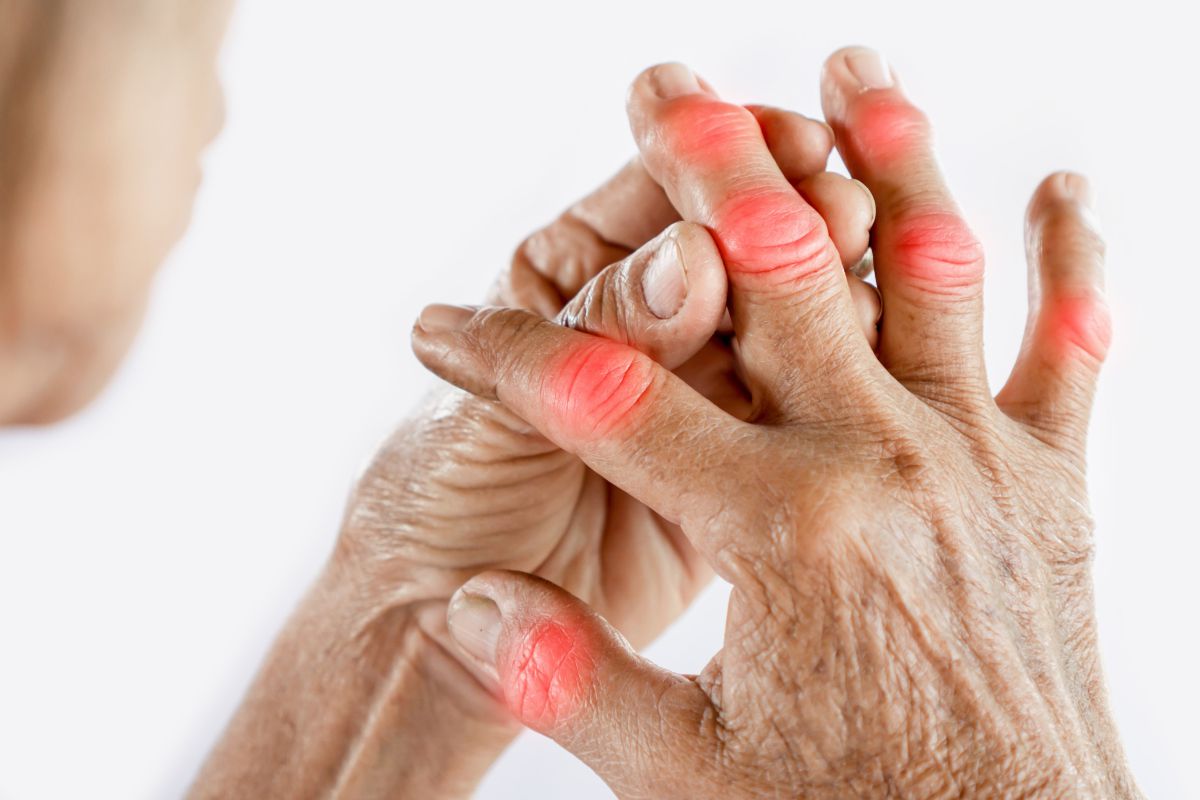
For generations, many families have used the word “rheumatism” to describe any kind of joint pain—knee ache, back stiffness, swelling of fingers, or pain in cold weather. But modern medicine has moved far beyond this vague term. Today, doctors know that “rheumatism” is not a single disease, but an umbrella covering more than 100 different types of Arthritis and Rheumatic Disorders. And getting the correct name for your joint pain is the first, most powerful step toward proper treatment.
Beyond Wear-and-Tear: The Two Major Types of Joint Diseases
Not all joint pain is the same. In fact, most cases fall into two large categories. Understanding this difference is the key to knowing whether your condition is age-related or something far more serious.
- Osteoarthritis (OA): The Degenerative “Wear-and-Tear” Arthritis
This is the arthritis most people have heard of. It happens when the cartilage that cushions the joints gradually wears down.
Typical Features:
- More common after age 45
- Pain worsens with activity and improves with rest
- Usually affects weight-bearing joints like knees and spine
- Bony swelling but little redness
- No major fever or fatigue
Think of OA as “mechanical damage,” much like a tyre that wears out over time.
- Inflammatory Arthritis: The Autoimmune Kind (e.g., Rheumatoid Arthritis – RA)
This is where many people get misled by the word “rheumatism.” Conditions like Rheumatoid Arthritis are autoimmune diseases—the body’s immune system mistakenly attacks its own joints.
Key Features:
- Pain and swelling caused by joint inflammation
- Warmth, redness, and visible puffiness
- Stiffness that doesn’t improve quickly
- Can affect both sides of the body (e.g., both hands)
- Can damage the heart, lungs, eyes, and other organs
This form of arthritis has nothing to do with age alone. Even people in their 20s and 30s can develop it.
Is It More Than Just Age? Red Flags You Should Never Ignore
If you have any of the symptoms below, it’s time to act immediately. These are the classic signs of inflammatory arthritis, especially Rheumatoid Arthritis:
- Morning stiffness lasting more than 30 minutes
- Visible swelling in joints
- Warmth or redness around the joint
- Symmetrical pain (e.g., both wrists, both ankles)
- Fatigue, low-grade fever, or unexplained weight loss
- Pain that continues even after rest
These are not signs of ageing. They are signs of active inflammation, and delaying treatment can lead to permanent joint damage.
OA vs. Inflammatory Arthritis: A Quick Comparison
| Feature | Osteoarthritis (OA) | Inflammatory Arthritis |
| Cause | Wear-and-tear | Autoimmune disease |
| Age Group | Mostly older adults | Any age, especially 20–60 |
| Pain Pattern | Worsens with activity | Worse in the morning |
| Morning Stiffness | Less than 20 minutes | More than 30 minutes |
| Swelling | Mild | Significant, warm, red |
| Symmetry | Often one side | Typically both sides |
| Systemic Symptoms | Rare | Common (fatigue, fever) |
Why Diagnosis Matters More Than Painkillers
Many people take painkillers or home remedies for years, assuming “rheumatism is normal.” But misdiagnosing Rheumatoid Arthritis as OA is dangerous. Untreated inflammatory arthritis can cause:
- Permanent joint deformity
- Loss of mobility
- Damage to the heart, lungs, and eyes
- Disability at a young age
That is why the correct diagnosis is non-negotiable.
How Doctors Identify the Real Problem
A proper evaluation usually involves:
- A clinical examination by a physician
- Blood tests such as Rheumatoid Factor (RF) and Anti-CCP
- Inflammatory markers (ESR, CRP)
- X-rays or joint ultrasound
If inflammatory arthritis is suspected, you should be referred to a Rheumatologist, a specialist trained to treat autoimmune joint diseases or a Pain Physician who are best to treat such chronic pain conditions.
The Takeaway: Don’t Accept Joint Pain as “Just Rheumatism”
Joint pain is common, but it is not always harmless. Some forms are mechanical and age-related, while others are autoimmune and progressive. The sooner inflammatory arthritis is identified, the better your chances of preventing lifelong joint damage.
It’s time to move beyond vague labels and seek specific diagnoses, proper treatment, and long-term joint protection.