



Bhubaneswar, 28 November 2026:
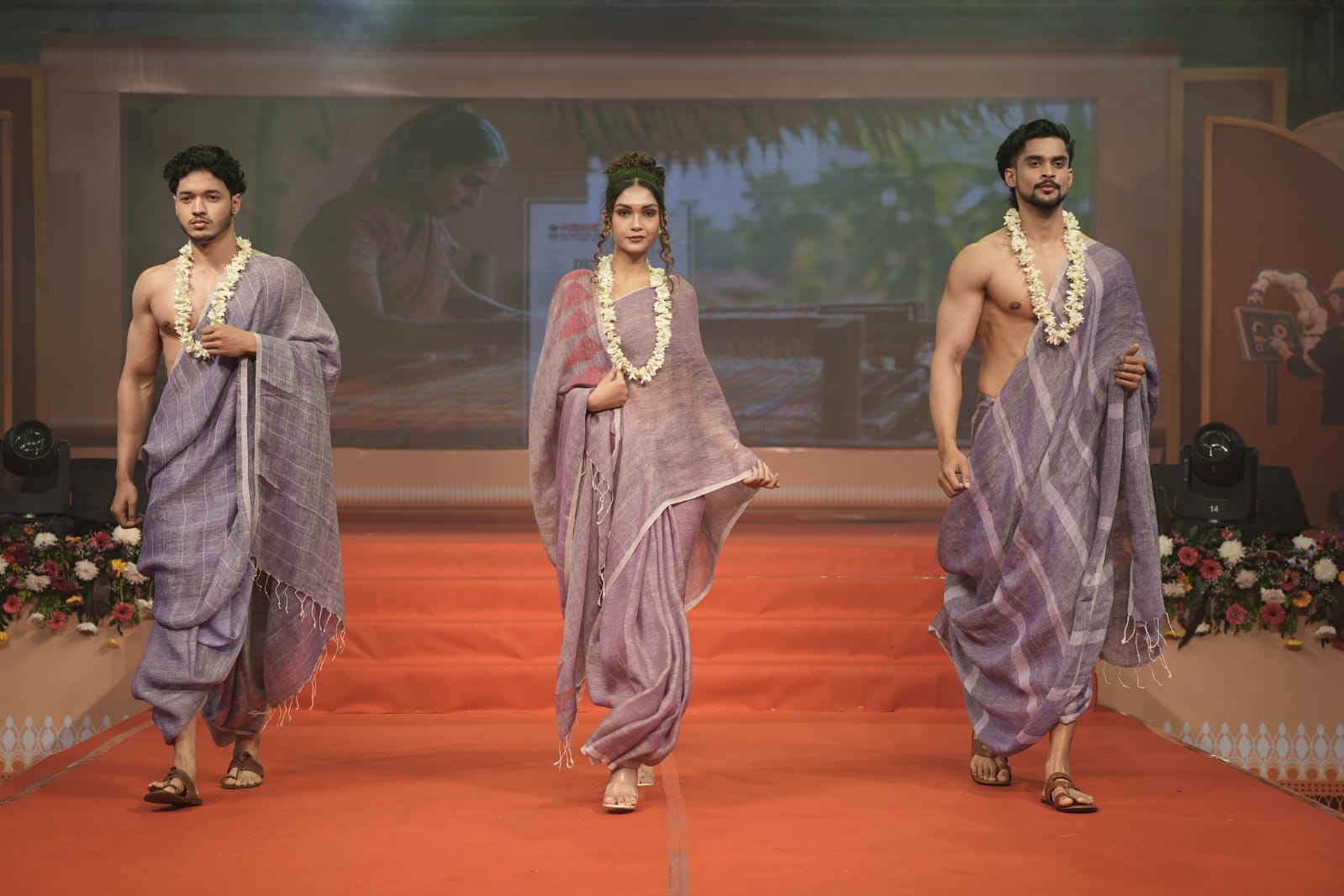
Khadi gets a fashionable makeover as the earthy charm of tradition meets the elegance of contemporary design. As models walked the ramp to the rhythm of music, showcasing Khadi in its diverse forms, the audience witnessed the timeless beauty of India’s rich textile heritage. The captivating fashion show organised as part of the Khadi & MSME Expo–2026 presented Khadi in a refreshing new avatar and contemporary style. It was not merely a fashion show, but a celebration of tradition, art, craftsmanship and creativity. Featuring four distinct sequences, the show highlighted the versatility of Khadi through its varied textures, colours, weaves and innovative designs.
In the first sequence, designer Debasmita Giri, representing Soul by Indian, brought a fresh appeal to the ramp with her creative designs. The second sequence featured the distinctive charm and artistic expression of Khadi through the designs of Lipsa Hembram of Galang Gabaan. Similarly, the third sequence showcased Khadi as an exciting medium of contemporary fashion through the creations of Romi Das of Orivvaa. In each sequence, the designers’ imagination, complemented by the confidence, smile and grace of the models, added to the overall appeal of the show.
The fourth sequence, however, emerged as the most distinctive and captivating segment of the show. It showcased a remarkable fusion of Ganjam’s traditional Kantha craft and Japan’s Boro textile tradition through an innovative range of garments designed by Designer Pankaja Sethi along with showstopper model Dr Bhumika Das. The coming together of textile traditions from two different countries on a single platform went beyond fashion, bringing alive a unique confluence of cultures and craftsmanship.
It may be noted that both Ganjam’s Kantha and Japan’s Boro are traditional zero-waste textile practices that originated from rural needs. These crafts involve layering pieces of old and worn-out garments and stitching them together by hand, giving discarded fabrics a new lease of life through creative reuse.
This artistic endeavour of transforming the old into something new highlighted the immense possibilities of Khadi and traditional textiles. While the threads of Khadi wove stories of heritage, contemporary designs reflected the future of fashion. The fashion show provided a new platform to showcase the creative skills of weavers and artisans while creating opportunities to connect Khadi with the aspirations of younger generations and emerging markets. The designers observed that such initiatives would help redefine the image of Khadi and make it more relevant and appealing to contemporary consumers.