






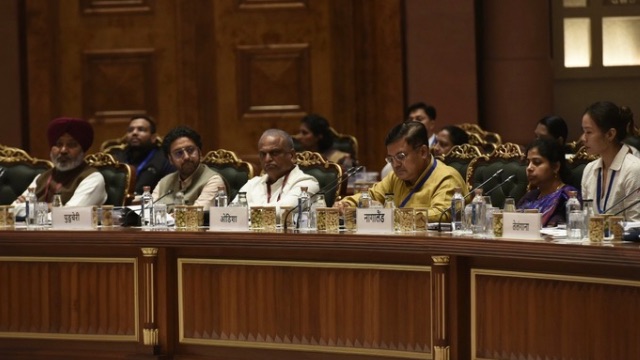
New Delhi: Small business owners, village traders, and factory operators are set to see a lot less red tape under a fresh wave of tax changes agreed upon by the Goods and Services Tax (GST) Council.At its 57th meeting on October 8, 2026, held in New Delhi, the Council focused on stripping away paperwork, speeding up delayed cash refunds, and ending unnecessary legal headaches for honest taxpayers. The nationwide session was chaired by Union Finance Minister Nirmala Sitharaman, with chief ministers, state finance ministers, and senior officials attending from across India.Cabinet Minister Prithiviraj Harichandan, who handles the Law, Works, and Excise portfolios, represented Odisha on behalf of Chief Minister Mohan Charan Majhi.1. Easier GST Registration for Rural and Semi-Urban Shops.Signing up for a GST number has often been complicated and intimidating for small shopkeepers outside big cities.The Council is rolling out simple guidelines, practical tools, and step-by-step instructions. Harichandan noted that this will bring immediate relief to cottage enterprises and micro-businesses across Odisha’s villages and smaller towns, allowing them to register without having to hire outside consultants for basic tasks.
2. Automated Refunds to Free Up Trapped Cash.Getting tax money back from the government has historically meant long waits and manual approvals.Computer-driven processing: The system will now automatically review and clear refund claims, sending money directly to genuine taxpayers much faster and with full visibility.Help for exporters: Businesses sending goods abroad (zero-rated supplies) will now be able to claim tax credit refunds on the heavy machinery and equipment they buy.Help for manufacturers: In industries where raw materials are taxed at a higher rate than the finished item—known as an inverted duty structure—producers can finally claim back tax credits on capital equipment and services.
Both changes are designed to unfreeze operating money that companies desperately need to run day-to-day operations.
3. Fewer Scrutiny Notices and Simpler Return Corrections.A common complaint among small firms is receiving strict tax notices simply because numbers between buyers and sellers did not match up due to clerical errors. A dedicated working group—which included the Odisha State GST team—created a new, alternative system for return filing.
This allows business owners to correct mistakes in their tax liabilities and credit claims cleanly, putting an end to random, automated penalty letters.
Odisha tax officers also helped draft better, process-based rules for handling refunds inside the national GST Law Committee.
4. Scrapping Unnecessary Arrest Powers.The Council also moved to remove arrest clauses for economic mistakes that the standard GST law can already punish through regular civil means.The goal is to build trust between the government and businesses: enforce the rules strictly against fraud, but stop treating minor bookkeeping errors like criminal offenses.Harichandan emphasized that these steps directly support India’s long-term “Viksit Bharat by 2047” economic mission. By making the tax system predictable and friendly, small business owners in Odisha and across the country can spend their time hiring workers and growing sales instead of fighting paperwork.