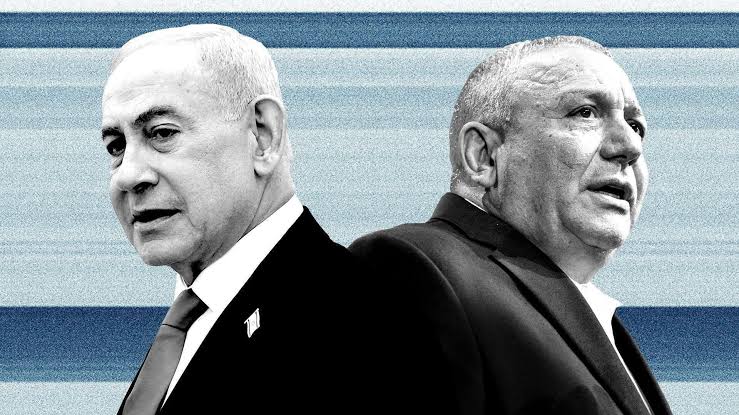




President Herzog will announce Israel’s new prime minister on Sunday.Israeli President Isaac Herzog is preparing to announce Sunday which political leader will receive the mandate to form the next national government. Following two days of intensive consultations, opposition figure Gadi Eisenkot has emerged with a clear advantage in parliament member recommendations, securing 67 endorsements compared to 46 for outgoing Prime Minister Benjamin Netanyahu. Seven lawmakers abstained. Securing the highest number of endorsements traditionally guarantees the presidential mandate, giving the selected candidate 28 days to build a coalition. The October 27 election concluded with no definitive winner, reflecting deep domestic fractures following three years of continuous regional conflicts across Gaza, Lebanon, and Iran.Minority factions deliver crucial support.Eisenkot reached his commanding tally largely due to unprecedented backing from two minority political lists, which captured a historic 19 seats in the 120-member Knesset. Both factions confirmed their recommendation for the former military chief. Their political influence stems from widespread dissatisfaction over right-wing policies and discriminatory rhetoric from current cabinet members. Despite this numeric advantage, building a functional coalition remains highly complex. Right-wing figures within the opposition bloc, including Yisrael Beytenu leader Avigdor Liberman, maintain strong objections to relying on Arab lawmakers to govern.Military service exemptions drive political wedges.Netanyahu’s traditional allies are also displaying hesitation. The ultra-Orthodox United Torah Judaism faction, holding seven seats, declined to recommend any candidate during their meeting with Herzog. Lawmaker Isaac Pindrus stated their immediate priority is securing legislative protection for religious students to avoid military conscription. While Netanyahu has historically protected these exemptions, he has not formally codified them into law, drawing frustration from religious leaders while secular citizens demand equal national service burdens. Eisenkot remains strictly opposed to such exemptions, creating potential friction if he attempts to bring ultra-Orthodox members into a unity government. Observers suggest the abstention by religious lawmakers serves as a strategic maneuver to demonstrate that their political loyalty must be earned through firm policy commitments. While Netanyahu’s right-wing bloc holds 53 seats to the opposition’s 48, neither side can easily secure the 61 seats required for an absolute majority without navigating these deep ideological divides. Outgoing premier Netanyahu recently claimed that foreign funding influenced the electoral outcome, challenging the integrity of the voting process. This rhetoric further alienates potential coalition partners as the nation awaits Herzog’s final decision.
President Isaac Herzog sets Sunday deadline to name next Prime Minister for Israeli government