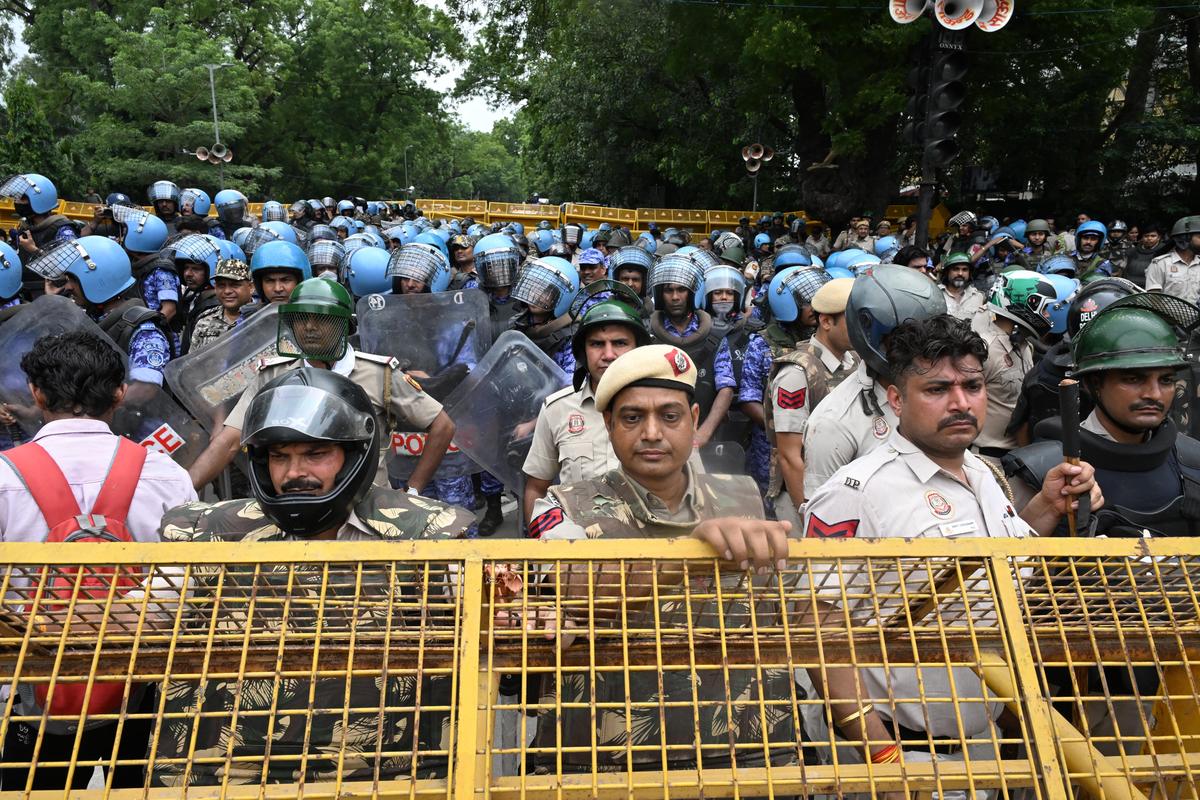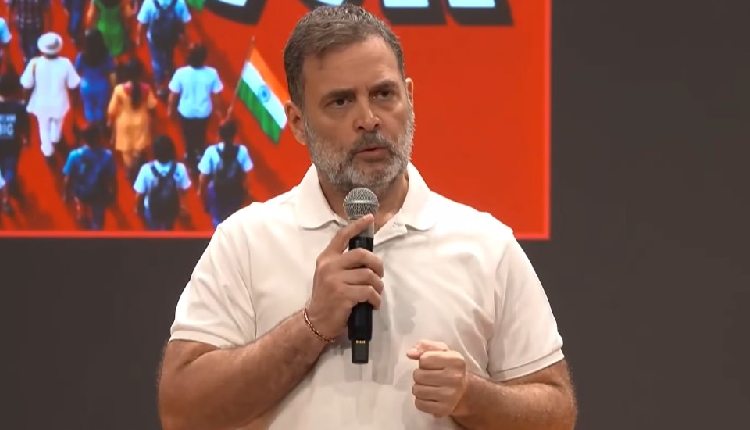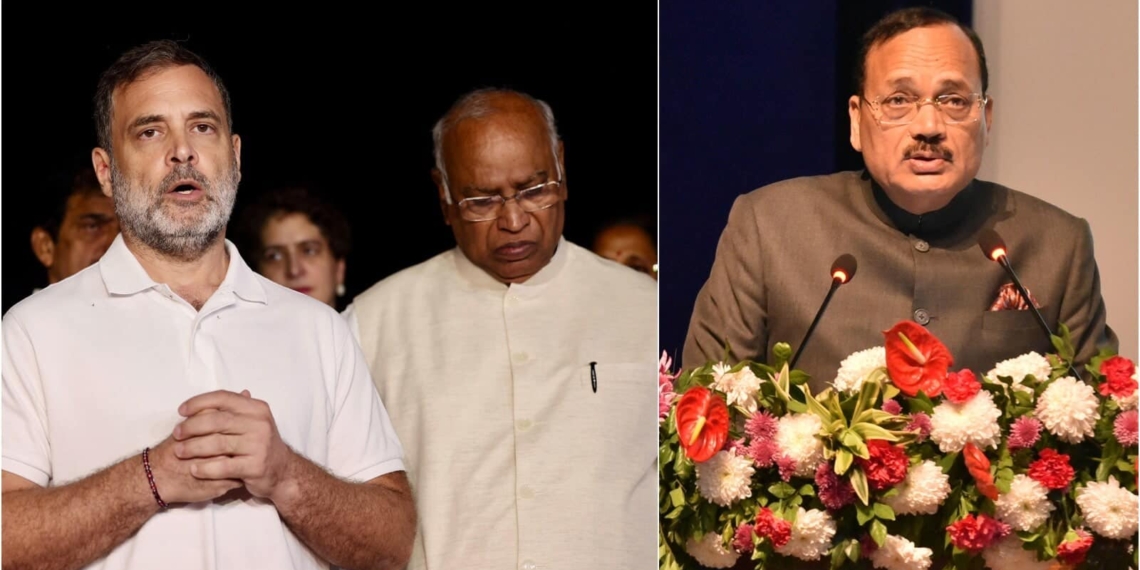




The Supreme Court on Tuesday quashed and closed FIRs registered across India in connection with the Cockroach Janata Party (CJP)-led protests over alleged irregularities and paper leaks in the 2026 NEET examination.Invoking its extraordinary powers under Article 142 of the Constitution, a bench comprising Chief Justice of India Surya Kant and Justices Joymalya Bagchi and V Mohana directed that FIRs related to the protests between July 20 and 25 would not be pursued or investigated.The court also directed that any similar FIRs registered in other states or Union territories but not brought before it would be treated in the same manner. It further ordered that no fresh FIR be registered in connection with the same incidents.The decision came after the Centre assured the court that it would honour commitments made to protesters, including withdrawal of criminal cases and compensation for families of NEET aspirants and students who died by suicide in connection with the examination issue.Following the Centre’s assurances and the Supreme Court’s order, CJP co-convener Saurav Das announced that the organisation was withdrawing its proposed September 5 march from India Gate to Delhi Police Headquarters.The group had announced the march on August 24, alleging that the government had failed to honour commitments made during talks that led to the withdrawal of its 36-day agitation on July 25.Das told the court that the CJP was withdrawing the protest call in view of the government’s assurances and the “judicial sanctity” attached to them.Solicitor General Tushar Mehta, appearing for the Centre, had urged the CJP representatives to call off the September 5 march after the government moved applications seeking closure of the criminal cases.While granting broad relief to protesters, the Supreme Court allowed an exception for 2,837 people identified by Delhi Police as having serious criminal antecedents and being prima facie present at the protest site.The police had sought permission to register an FIR against them to determine their individual roles, if any, in incidents involving bodily harm or damage to public property.The bench said the matter concerning these individuals could be considered separately. It clarified that the exception did not dilute the wider relief granted to protesters who participated in the agitation.The court observed that the exercise was aimed at distinguishing protesters who had assembled with “bona fide democratic demands” from individuals who may have entered the protests with ulterior motives.At the same time, the bench said the larger relief was intended to ensure that students and other protesters who participated in the agitation did not face continuing criminal proceedings merely because they had exercised their democratic right to protest.The Centre also reiterated its commitment to compensate families of students who died by suicide in connection with the 2026 NEET examination issue.Mehta told the court that the government would require three months to formulate the modalities for the compensation scheme, as the matter involved several competitive examinations.The Supreme Court directed the Centre to formulate and notify a pan-India policy framework in consultation with the states. Eligible families will receive compensation after the policy is notified.Advocate Vrinda Grover, appearing for a petitioner, told the court that the process of identifying eligible families was already underway.The CJP-led agitation began in June over alleged irregularities and repeated paper leaks in national examinations. The movement gained momentum after climate activist Sonam Wangchuk joined the protest and began a hunger strike in solidarity.The agitation culminated in the July 20 “Chalo Sansad” march, during which clashes broke out between protesters and security personnel after Delhi Police and the Rapid Action Force used lathi charge, tear gas and pellet guns to stop protesters from proceeding towards Parliament.Protesters alleged excessive use of force, while authorities accused some participants of attacking police personnel and damaging public property.The Supreme Court had earlier constituted a five-member high-powered enquiry committee headed by former Supreme Court judge Justice R Subhash Reddy to examine the competing allegations.The committee is examining allegations of excessive and unlawful use of force, violence by protesters, injuries to security personnel and damage to public property. Its mandate also covers the use of pellet guns, electric batons, lathis and tear gas, as well as the proportionality of police action and allegations of targeted violence and harassment of women protesters.The Supreme Court’s latest order extends beyond Delhi and the states that formally approached it.The court directed that FIRs relating to the July 20-25 incidents in any state or Union territory that had not been brought before it would also not be pursued or investigated and would be treated as closed.The court also directed that similar pending FIRs in other states and Union territories be closed and prohibited the registration of fresh FIRs concerning the same incidents.The development effectively provides nationwide relief to protesters covered by the court’s directions, while preserving the authorities’ ability to separately examine cases involving the 2,837 people identified by Delhi Police.The CJP had called off its broader agitation on July 25 following talks with the Centre. The withdrawal of criminal cases and compensation for families of students who died by suicide were among the key assurances linked to the understanding.The latest Supreme Court order now gives legal effect to the withdrawal of the protest-related criminal cases while also setting out the limited exception for individuals accused of having serious criminal antecedents.
Supreme Court quashes NEET protest FIRs across India