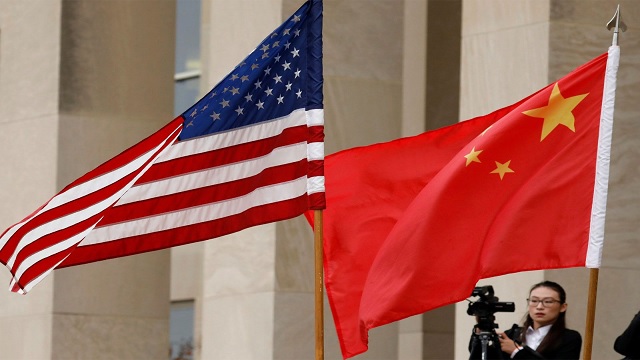




New Delhi: The Democratic Party victories in the 2026 US midterm elections could push China to reduce its tariffs on US farm products and spur demand, according to an S&P Global report.The report mentioned that market participants expressed hope that a shift in congressional power leads to changes in trade policy, reviving agricultural export flows that suffered under steep duties.“If the US softens its stand on tariffs, that may push China to reduce its tariffs on US farm products and spur demand,” the report quoted an Iowa corn farmer.Trade friction previously disrupted core export lines. China paused purchases of US-origin soybeans between June and October 2025 during an escalating tariff dispute. Although purchases resumed in October 2025, Beijing maintained reciprocal duties.Consequently, US soybean exports to China fell 44.9 per cent year-on-year to 12.4 million metric tons during the 2025-26 marketing year, data from the US Department of Agriculture showed.The report noted that Beijing might consider lowering duties on US soybeans. China outlined broad tariff reduction plans on September 28 for grains, soybean products, and animal proteins, though it excluded commercial soybeans. Those reductions, discussed during a September bilateral summit between President Donald Trump and President Xi Jinping, remained unfinalized.The report stated that the election outcomes alter the negotiating landscape for trade stances and the broader farm bill. Democrats secured at least 54 Senate seats, flipping Republican-held seats in agricultural states such as Iowa, Ohio, Texas, and Kansas, while positioning themselves for a substantial House majority.Incoming lawmakers voiced direct opposition to current tariff mechanisms.“Repeal the Trump tariffs that are making everything — from groceries to cars to clothing — more expensive,” Texas Senator-elect James Talarico stated on his campaign website.The report highlighted that congressional Democrats also plan to target import taxes on agricultural equipment, which increased capital expenditures across rural communities.“Iowa’s farmers have been hit hard by the chaotic tariffs and trade policies coming out of Washington,” Iowa Senator-elect Josh Turek stated on his campaign website.“End the chaotic tariffs that are sending farms toward a 1980s-style farm crisis,” Turek added.Since taking office in January 2025, the Trump administration has enacted duties under multiple authorities. After the Supreme Court struck down tariffs implemented under the International Emergency Economic Powers Act in February 2026, the administration levied -day duties under Section 122 of the Trade Act of 1974, followed by country-specific actions under Section 301. Producer groups reported that these measures increased fertiliser expenses and reduced profit margins.The election results also affect pending negotiations on the five-year farm bill during the November-December lame-duck session, following the expiration of the 2018 legislation in October 2026.A key area to watch in the lame-duck session is whether Democrats, emboldened by Tuesday’s sweeping victory, push harder for changes to the Senate Farm Bill,” Roger Bernard, senior policy analyst at S&P Global CERA, stated in a brief.Discussions focus on cost-sharing formulas between federal and state governments, alongside statutory programs for crop insurance, price loss coverage, and disaster assistance before the new Congress convenes in January 2027.
US midterm result shift could spur Chinese demand for US agricultural goods: Report